What Are the Common Faults of a Rotary Drilling Rig and How Do You Troubleshoot Them?
The most common rotary rig faults are hydraulic leaks, power-head torque loss, kelly-bar spline wear, winch-rope failure and stored electronic fault codes. Most trace to neglected maintenance; a structured check finds them before they stop the job. Indicative repair parts run USD 500–8,000 EXW China.
Which Hydraulic and Power-Head Faults Are Most Common?
- Hydraulic leaks: seepage at cylinders, hoses and the power-head gearbox; drop in system pressure under load.
- Torque loss: worn pump or relief-valve drift reduces achievable torque at the head.
- Overheating: clogged cooler or low fluid sends temperature alarms.
- Crowd failure: weak or uneven crowd force from a scored cylinder.
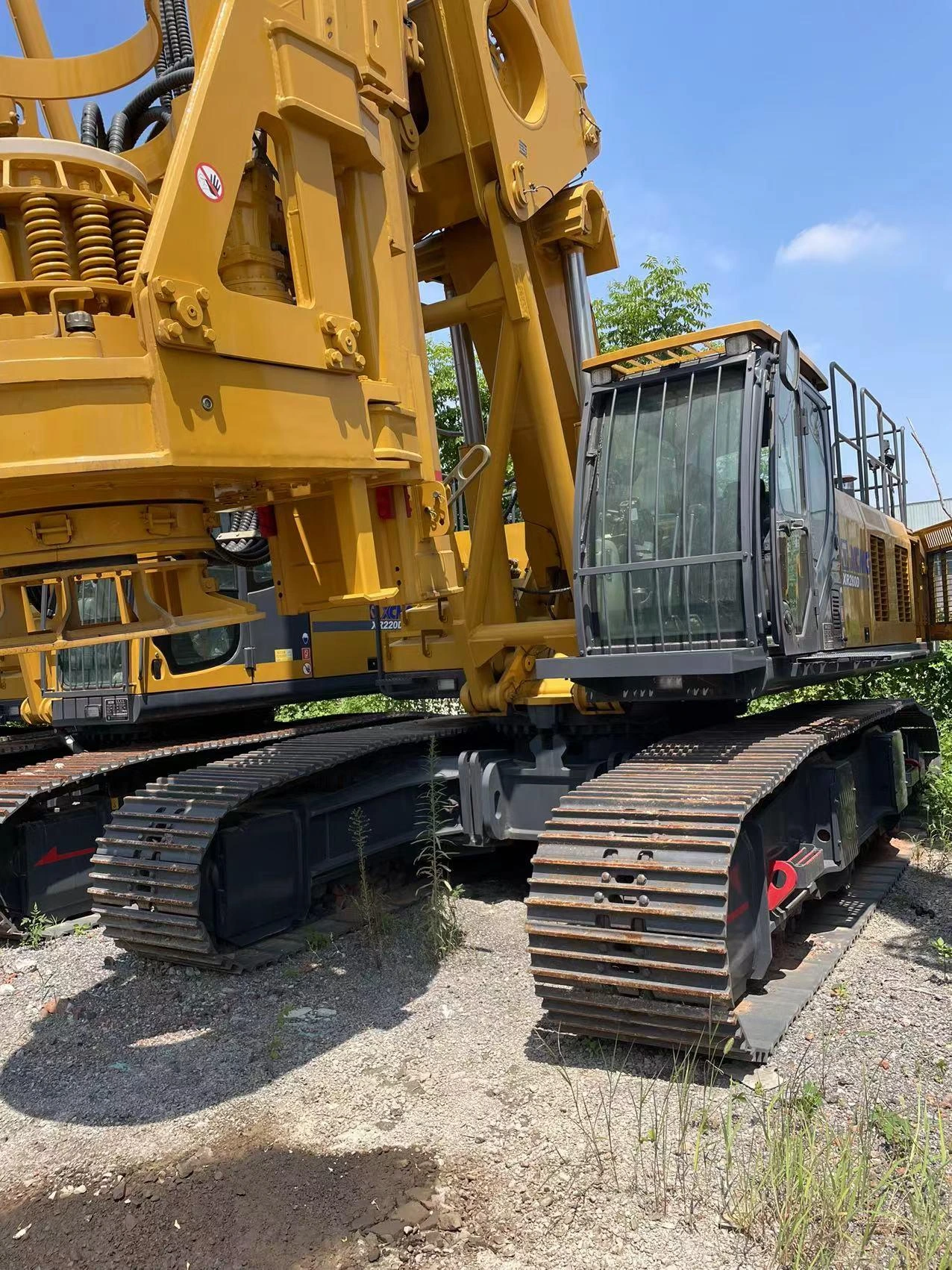
Check system pressure with a gauge, compare to the spec plate, and read the fault codes before opening the circuit.
How Do Kelly Bar, Winch and Electrical Faults Show Up?
- Kelly bar: spline scoring, bent sections, or a stuck locking mechanism that will not retract.
- Winch: frayed or crushed rope, slipped clutch, uneven layering on the drum.
- Electrical: stored fault codes, a dim display, or a dead controller after a flat battery.
- Undercarriage: loose track, worn rollers, excess swing-bearing play.
How to Troubleshoot Step by Step?
- Step 1: read and log all displayed fault codes.
- Step 2: check hydraulic-fluid level, colour and temperature.
- Step 3: pressure-test the main pump and power head against spec.
- Step 4: inspect the kelly bar splines and joints for wear or cracks.
- Step 5: test winch pull and rope condition under light load.
- Step 6: verify undercarriage play and the display/controller.
Pre-Job Checklist
- Read and clear (or record) all fault codes before start.
- Check hydraulic fluid level, colour and temperature.
- Pressure-test the power head against the spec plate.
- Inspect kelly-bar splines, straightness and joints.
- Test winch rope and pull; replace frayed rope.
- Confirm undercarriage play and track tension.
How We Inspect for Hidden Faults
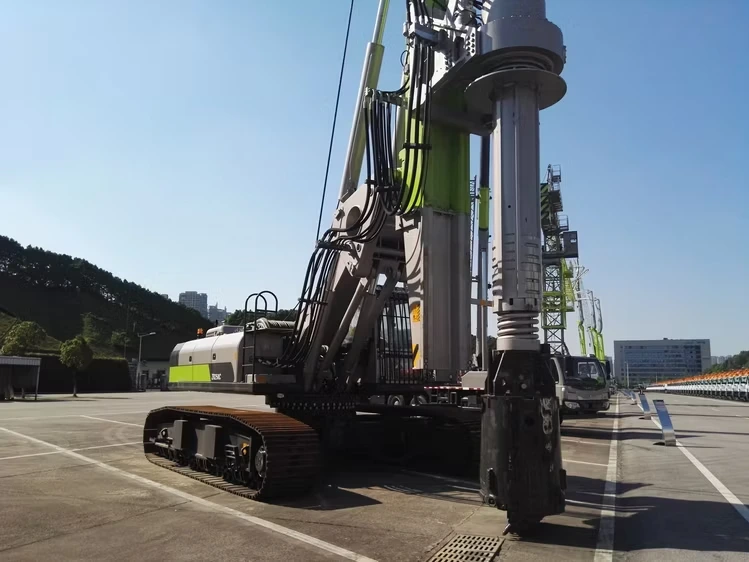
We run a power-head load test and a hydraulic pressure-hold test on every listed rig, and we read the controller's stored fault history — not just the live display. A clean panel with logged codes means the fault was hidden, not fixed.
Which Rigs We Recommend With Good Parts Support (3–5 Units)
The rigs below are in stock and chosen for widely available parts. Prices are indicative EXW China. Live units and firm quotes: FairTradeMachinery rig inventory.
| Model | Max depth / dia. | Engine / torque | Year / hours | Indicative price (EXW) |
|---|---|---|---|---|
| XCMG XR280D | 80 m / 2.5 m | 270 kW / 280 kN·m | 2019 / 3,600 h | US$ 118,000–145,000 |
| SANY SR285 | 85 m / 2.5 m | 268 kW / 285 kN·m | 2020 / 3,100 h | US$ 120,000–150,000 |
| Zoomlion ZR220A | 70 m / 2.0 m | 187 kW / 220 kN·m | 2018 / 4,100 h | US$ 86,000–108,000 |
| Sunward SWDM280 | 85 m / 2.5 m | 268 kW / 280 kN·m | 2019 / 3,500 h | US$ 110,000–138,000 |
FAQ
What is the most common failure?
Hydraulic leaks and torque loss from neglected fluid maintenance are the top two.
Can a fault code be cleared without fixing it?
Yes — that is exactly why we read the stored fault history, not just the live display.
Is kelly-bar wear repairable?
Light spline scoring can be built up, but a bent or cracked bar is usually a replacement.
Do you sell repair parts?
Yes — seals, ropes, teeth and filters are available; contact us with the rig model.
How much do common repairs cost?
Indicative parts run USD 500–8,000 EXW China, excluding labour and freight.
Sources
- XCMG global — rotary drilling rig service and troubleshooting references: https://www.xcmg.com
- SANY Group — rotary drilling rig support and manuals: https://www.sanygroup.com
- Zoomlion — foundation equipment service information: https://www.zoomlion.com
- FairTradeMachinery — used drill rig inventory (live models & specs): /rigs.html Published: 2026-11-23 · Last reviewed: 2026-11-23 ·
- By Author: 【Pace 】Equipment Inspector, FairTradeMachinery






 Discussion en direct sur Whatsapp maintenant


 FAQs
 WhatsApp